
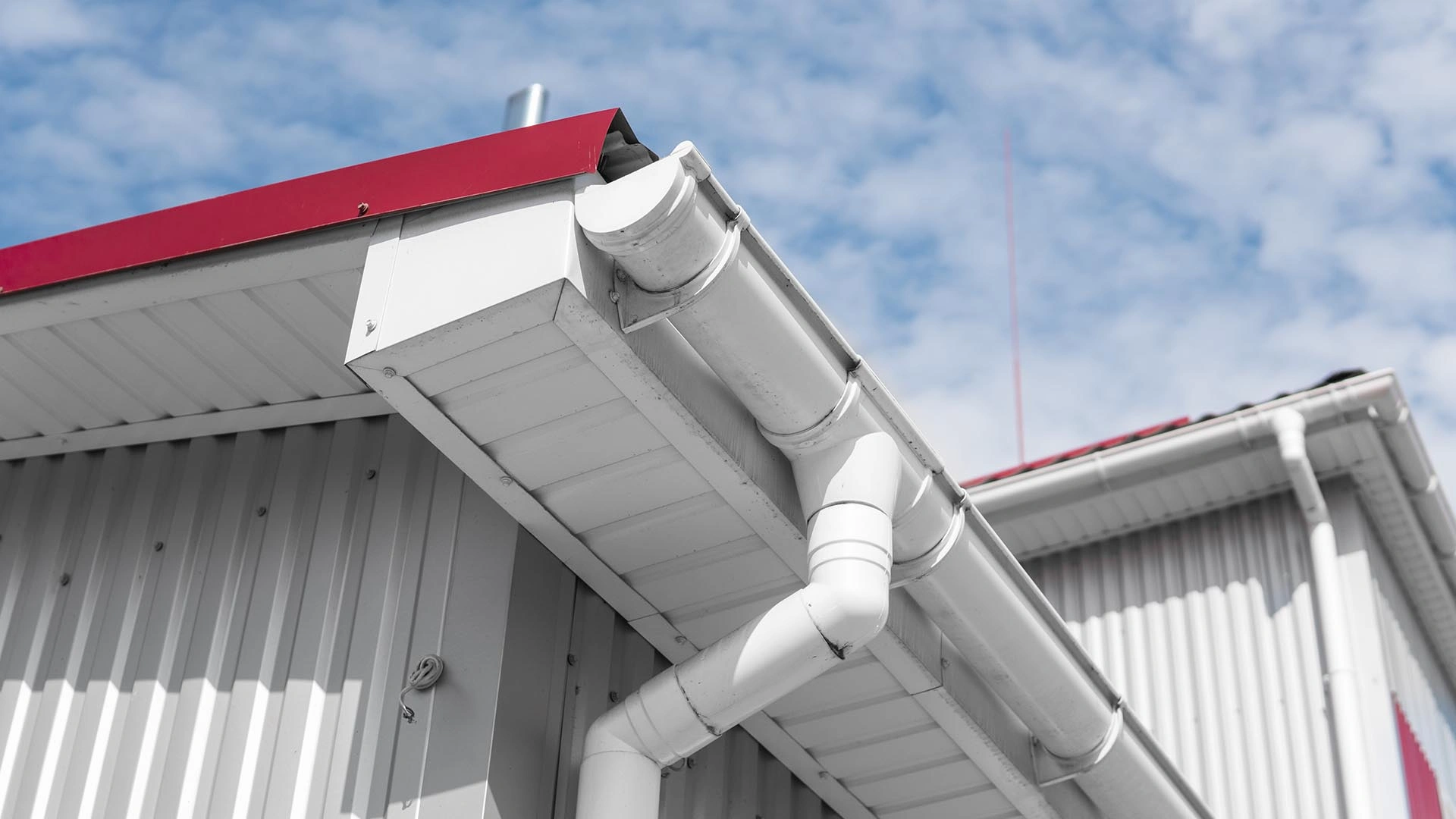
Canales are drainage spouts built into a flat roof’s parapet wall. They carry rainwater away from Albuquerque homes and businesses. When this drain clogs or cracks, water pools on the roof, and monsoon storms push that water straight into the walls.
Albuquerque’s adobe and pueblo-style homes drain rain through canales, not gutters. A blocked or cracked drainage spout is a leading cause of monsoon-season roof leaks. This guide explains how that system works and how to stop leaks before they start.
What Are Canales on a Roof?
A canale (kuh-NAH-lay) is a drainage spout built into a parapet wall. It channels rainwater off a flat roof and away from the building. New Mexico builders have used this drainage spout for centuries on adobe homes.
Spanish colonial and Pueblo builders developed this drainage method long before modern roofing membranes existed. The design still works well today on flat roofs in a low-rainfall climate like New Mexico’s.
Flat roofs have almost no slope. Water cannot run off the edge as it does on a pitched shingle roof. Canales, scuppers, and roof drains give that water somewhere to go.
A working drainage spout does three things:
- Carries water across the roof toward the parapet wall
- Channels that water through the wall itself
- Releases water away from the foundation and stucco
Canale vs. Scupper vs. Roof Drain
These three drainage systems move water off a flat roof in different ways:
- Canale: A New Mexico drainage spout that projects through a parapet wall. Common in Adobe and pueblo-style homes.
- Scupper: A metal-lined opening cut into a parapet wall. Often connects to a downspout on commercial buildings.
- Roof drain: An internal fitting that carries water down inside the building. Common on larger commercial roofs.
Older Albuquerque homes usually rely on this drainage style instead of scuppers or interior roof drains.
Older Neighborhoods and Original Drainage Systems
Old Town, Huning Castle, and parts of the North Valley have some of Albuquerque’s oldest adobe and pueblo-style homes. Many of these homes still rely on the same drainage method installed decades ago.
Regular upkeep keeps these original drainage features working as they were designed.
Why Albuquerque Monsoons Cause Canale and Parapet Leaks
Albuquerque sits at about 5,000 feet, with over 300 sunny days a year. That UV exposure breaks down sealants and stucco fast. Daily temperature swings of 30 to 40 degrees stress every seam.
These conditions are tougher on flat roof systems than in many other US cities.
Monsoon season runs from late June through September. Storms are short but intense. A blocked drainage spout has nowhere to send that sudden rainfall.
Albuquerque also sees seasonal dust storms and occasional hail. Both add extra wear to parapet walls and roof drainage over time.
Many Albuquerque homes have adobe parapet walls. Water that gets behind the stucco can soak straight into the adobe. Freeze-thaw cycles then crack and weaken the wall.
Warning Signs of a Failing Canale or Parapet Wall
Most flat roof drainage and parapet wall leaks show warning signs early. Watch for these before the next storm:
- Staining or white residue around a drain opening
- Standing water on the roof for more than 24 to 48 hours after rain
- New cracks in stucco near the drain opening or parapet wall
- Debris or plants packed inside the drainage channel
- Ice buildup at the outlet in winter
- Ceiling stains near an exterior wall, not the roof center
- A musty smell along an exterior wall after rain
How Canale and Parapet Wall Leak Repair Works
A lasting repair starts with finding the real source of the leak. Many roof leaks near a parapet wall are actually parapet leaks.
Repair Steps
- Inspect: Check the drain, parapet wall, flashing, and roof membrane.
- Clear: Remove debris and old sealant from the drain channel.
- Reseal: Cut back and reseal cracked or separated flashing.
- Reinforce: Add fiberglass mesh and elastomeric coating at weak joints.
- Seal: Apply flexible, weather-rated sealant instead of rigid caulk.
- Test: Run water through the drain to confirm it flows freely.
Materials Built for New Mexico's Climate
Not every material holds up to Albuquerque’s sun and temperature swings. We use materials chosen for this climate:
- Elastomeric coatings: Stretch and recover with the building
- Fiberglass mesh: Bridges cracks at drain openings
- Galvanized steel or aluminum sleeves: Resist corrosion in scupper repairs
- Flexible sealants: Move with the building instead of cracking
Homes in historic areas like Old Town may need matching stucco color. We account for that during every inspection.
Commercial Properties and Flat Roof Drainage

Commercial buildings in Albuquerque often have larger flat roofs with multiple drainage points. A single blocked scupper or drain can affect a much larger area than on a home.
Regular inspections matter even more for businesses. A roof leak can disrupt operations and damage inventory or equipment.
Canale Maintenance Checklist for Albuquerque Homeowners
A few minutes of upkeep can prevent a costly repair. Follow this checklist each year:
- Inspect drainage spouts and scuppers in spring and fall
- Clear debris after storms, wind, or dust events
- Check for standing water 24 to 48 hours after rain
- Look for new stucco cracks near each drain opening
- Schedule a professional inspection before monsoon season begins
Canale and Parapet Repair Cost in Albuquerque
Repair cost depends on the damage and the system involved. Here is a general range for the Albuquerque area:
- Minor drainage spout or scupper cleaning and resealing: $250 to $600
- Partial flashing or drain repair: $600 to $1,500
- Parapet wall crack and joint repair: $800 to $1,500
- Full drain replacement or major parapet damage: $1,500 to $3,500 or more
Cost also depends on roof access, building height, and historic stucco matching. The biggest cost driver is delay. A drainage issue caught early is almost always a simple repair.
Getting a written, itemized estimate helps homeowners compare options and avoid surprise costs later. For larger parapet or drainage repairs, RMC Roofing & Construction LLC also offers flexible monthly financing.
Why Choose RMC Roofing & Construction LLC
RMC Roofing & Construction LLC is a veteran- and family-owned roofing and construction company based in the Greater Albuquerque area, proudly serving homeowners and businesses throughout New Mexico. We bring decades of hands-on experience and a strong reputation for delivering durable, high-quality roofing solutions.
- Licensed, insured, and experienced across hundreds of New Mexico roofs
- Experts in long-lasting, energy-efficient roofing systems
- Full services: roof repair, replacement, inspection, maintenance, and new installations
- Serving homes, offices, warehouses, and commercial properties in Albuquerque, Corrales, Westgate Heights, Huning Castle, Old Town, Nob Hill, and surrounding areas
- Honest, transparent, customer-first approach
- Roofs built to withstand New Mexico hail, storms, heat, and weather extremes
Conclusion
Canale roof drainage has protected New Mexico homes for generations. It only works when the system stays clear, and parapet walls stay sealed. A quick inspection now can prevent a much larger repair after the next monsoon storm.
Stay connected! See our latest work and tips by visiting us on Facebook, Instagram, Google Business Profile, and YouTube.
Contact us today to schedule your inspection or get a free quote.
Frequently Asked Questions
What are canales on a roof?
These drainage spouts are built into a flat roof’s parapet wall. They carry rainwater through the wall and away from the building. They are common on adobe and pueblo-style homes in Albuquerque.
How much does canale leak repair cost in Albuquerque?
Minor repairs typically cost $250 to $600. Larger repairs involving flashing or parapet damage can run $600 to $1,500 or more. Cost depends on the extent of the damage.
What is a flat roof scupper?
A scupper is a metal-lined opening cut into a parapet wall. It drains water from a flat roof, often into a downspout. Scuppers are common on commercial buildings.
What causes a parapet wall leak?
Parapet wall leaks happen when flashing separates or stucco cracks at the roof-to-wall joint. Water then enters the wall instead of the roof. This is common after years of sun and temperature swings.
How often should canales be cleaned?
These drains should be inspected and cleared twice a year. Check them once in spring before the monsoon season and again in fall. Clear debris after major storms, too.
